



Why Have RAM Prices Soared in Recent Months?
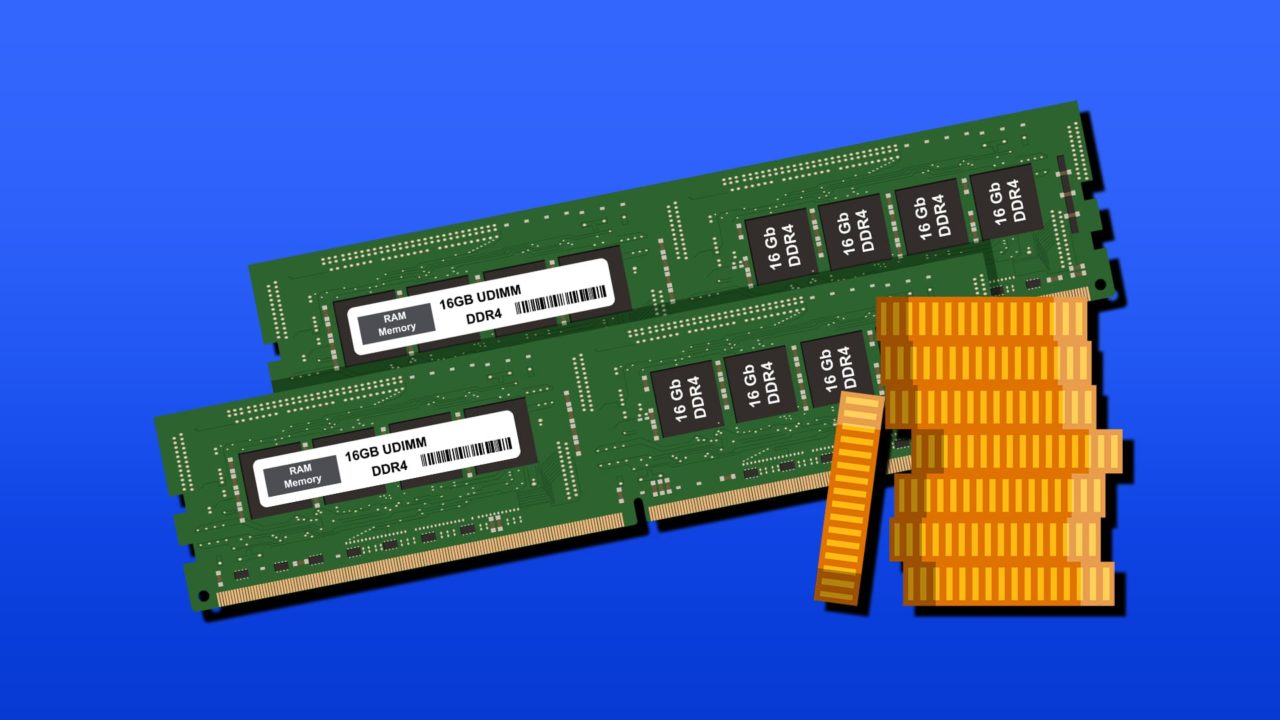
RAM prices have skyrocketed in recent months, with the average rates of some types of RAM more than tripling. This has led to higher prices across the electronics market, with consumers facing rising costs not just when buying individual components, but whole new devices, like laptops, desktop computers, and smartphones. This guide explores the reasons behind the current high RAM prices.
Why Is RAM So Expensive? Key Reasons Explained
High RAM prices are the result of a myriad of factors, all of which can be linked back to one major trend dominating the tech world right now – the rise of artificial intelligence. Here’s a closer look at how this has happened:
The AI Effect
While many factors have impacted RAM prices in recent times, the root cause of RAM’s price rise is AI. The world’s biggest tech companies, like Microsoft, Google, and OpenAI, are investing heavily in AI-related infrastructure, like data centers, to train, enhance, and run their AI models.
For that, they need large amounts of computing resources, especially RAM. Thus, these companies have been buying up RAM in vast quantities. This enormous amount of demand put unprecedented pressure on manufacturers, triggering a wave of consequences that has seen prices soar.
Production Shifts
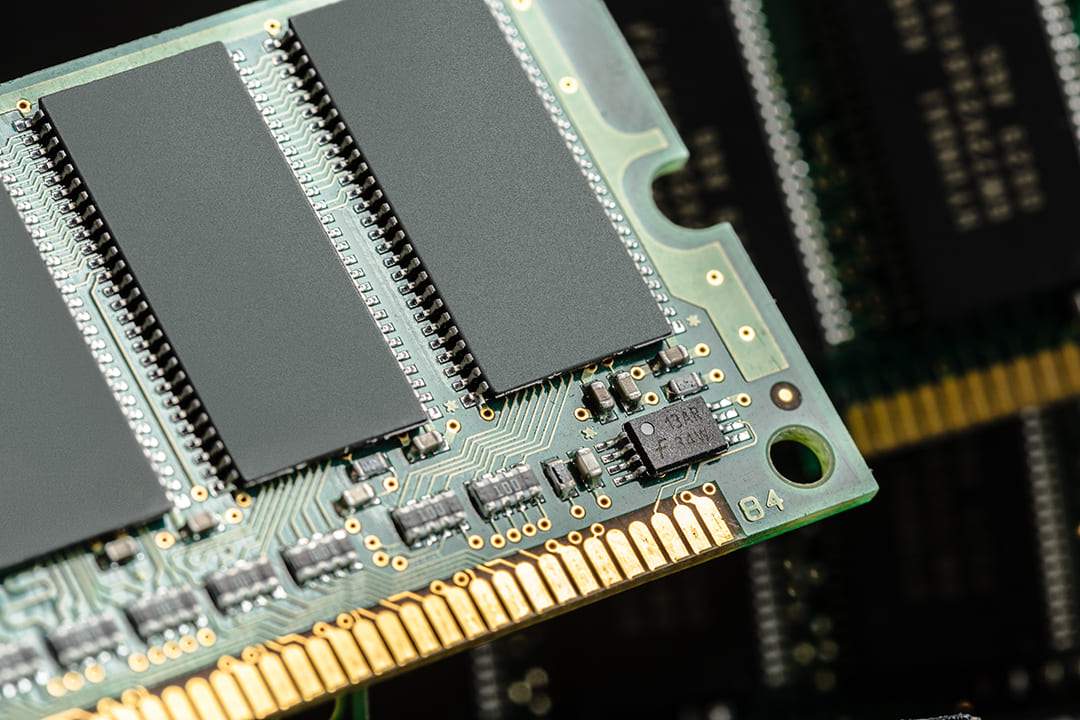
In order to meet the intense demands of AI, many of the world’s biggest RAM brands have had to completely transform the way they operate. They’ve had to shift their focus away from consumer-grade DDR4/DDR5 RAM and onto the high-bandwidth memory (HBM) that AI data centers require.
This, in turn, means that there are lower amounts of consumer-grade RAM being produced, even though there’s still high demand for these components. When low supply meets high demand, prices almost inevitably rise.
The Decline of DDR4
The rising emphasis on higher-end HBM RAM production also comes at a time when DDR4 RAM is slowly being phased out. This was always going to happen eventually, but the transition from DDR4 to DDR5 has been accelerated by AI, with many manufacturers ceasing DDR4 production entirely.
Many manufacturers feel compelled to do this, as they simply don’t have the resources to produce DDR4, DDR5, and HBM RAM in sufficient quantities, so they have to prioritize the newer variants. However, many consumers still rely on DDR4 and are being left behind and priced out.
Panic Buying
As headlines and news reports of high RAM prices started to spread, investors, tech enthusiasts, and businesses started buying up as much RAM as they could afford. Some did this in the hopes of reselling the RAM for a profit, while others just wanted to avoid even higher prices.
Regardless of their intentions, these panic buyers also pushed the cost up even further, as the amount of available RAM declined while demand rose.
The Effects of High RAM Prices
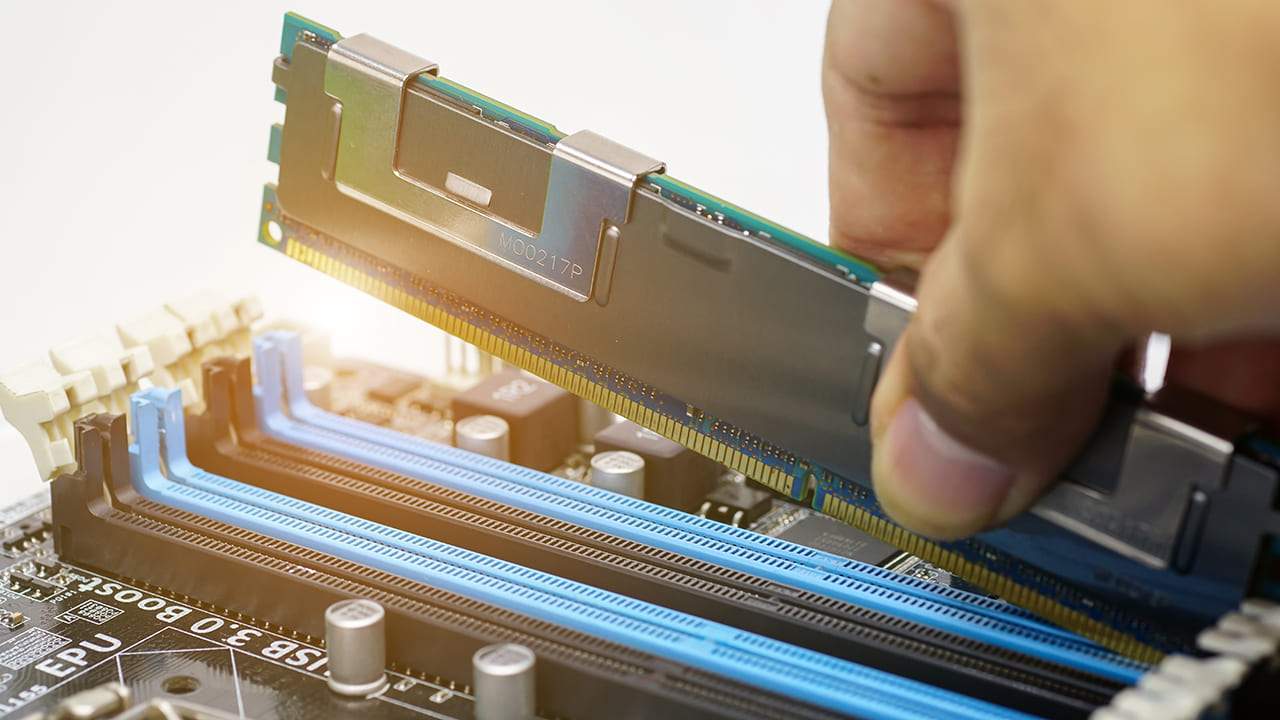
Now that we’ve covered why is RAM so expensive, it’s important to understand what impact this is actually having on the market.
In a nutshell, since RAM is such an important, fundamental component of many consumer electronics, the prices of those products are rising. Average costs for new laptops, desktop computers, smartphones, and other devices have risen alongside RAM rates, and the prices of other computing components, like GPUs, have gone up, as well.
Many tech brands are now offering base model devices with lower levels of RAM than before (like new laptops with 8GB of RAM instead of 12 or 16GB, for example). Shortages are also ongoing in many regions, and some retailers have had to impose limits on the amount of RAM or other components their customers can buy. These trends could persist for several more years, according to industry experts.