


Paying $15 a Month Just to Hold Your Own Money? How to Dodge Hidden Bank Fees
A checking account should be the simplest financial tool you own. You put money in, you take money out, and the bank keeps it safe in between. Yet for millions of people, that basic arrangement comes with a steady drip of charges that rarely get a second look. Each fee is small enough to shrug off. Together, they can cost more per year than a streaming subscription, a gym membership, or a decent dinner out every month costs that add up just like trying to troubleshoot tech accessories, such as when you need to connect Apple TV to Wi-Fi without a remote after losing your hardware controls.
The real problem isn’t any single charge. It’s that most people never check. Fees show up as short, cryptic lines on a statement, and banks know very few customers read those lines closely. The good news is that nearly every common bank fee can be avoided, lowered, or refused outright once you understand where it hides and why it exists.
Why Banks Charge You to Keep Your Money

Before you can dodge a fee, it helps to understand what it’s for. Some charges cover real costs. Others exist mostly because customers pay them without complaint.
The Math Behind “Free” Banking
Branches, tellers, ATMs, and customer service lines all cost money to run. Traditional banks carry more of that overhead, so they lean harder on fees. The gap shows up clearly in the numbers. According to the MoneyRates Checking Account Fee Survey, the typical monthly maintenance fee runs $10.95 at small banks but $16.35 at large ones, and the overall average works out to $167.40 a year.
That’s a lot to pay for a place to park your paycheck.
Fees Are Built to Be Forgettable
Look closely at how most fees are priced. A few dollars here, a few dollars there. None of them feel worth a phone call. That’s by design. A charge that stays below your threshold of annoyance is one you’ll keep paying for years, and that’s exactly how a “small” fee turns into a real expense.
Knowing why fees exist is useful. Knowing which ones to watch for is what actually saves you money.
The Fees Most Likely to Drain Your Account

Not all fees are created equal. A handful do most of the damage, and they’re worth learning by name.
Monthly Maintenance Fees
This is the fee that charges you simply for having an account. Banks usually waive it if you meet certain conditions, such as keeping a minimum balance, setting up direct deposit, or making a set number of debit card purchases each month. The catch is that some of those bars are high. Bankrate found that for interest checking accounts, the average minimum balance needed to avoid the fee has climbed to $10,705. Most people don’t keep five figures sitting in checking, so they end up paying.
Overdraft Charges
Overdraft fees hit hardest because they tend to arrive when money is already tight. The average is now $30.82 per occurrence, and if you make more than one transaction while overdrawn, you may be charged for each one. A coffee, a gas fill-up, and a grocery run on the wrong day can add up to nearly $100 in penalties.
Here’s something many people don’t know. Under federal rules, banks need your permission before charging overdraft fees on ATM withdrawals and one-time debit card purchases. If you never opted in, or you opt out now, those transactions will simply be declined instead of costing you $30 or more.
Out-of-Network ATM Fees
Pulling cash from a machine outside your bank’s network can mean paying twice: once to your own bank and once to the machine’s owner. Bankrate’s research on checking account fees puts the combined cost at $4.86 on average, a record high for the third straight year. Do that twice a week and you’re spending over $500 a year just to reach your own cash.
The Smaller Stuff
Then there are the minor charges that fly under the radar. Paper statement fees, forgotten app trials, or unexpected add-ons like learning how to cancel Amazon Prime Video channel subscription before it auto-renews. Each one is modest. Stacked together, they’re not.
Knowing the fees is half the battle. The other half is choosing an account that doesn’t charge them in the first place.
How Picking the Right Checking Offer Changes the Equation
Many people open a checking account once and keep it for decades out of habit. That loyalty often costs them. The account you pick sets the rules for every fee you’ll face, which makes the choice far more important than it seems.
Fee Structure Matters More Than Anything Else
A good account doesn’t just avoid charging you. It can actually pay you. Many online banks and newer financial companies skip monthly maintenance fees entirely, offer early access to direct deposits, and reimburse ATM charges. Some pair all of that with a cash bonus for new customers. Looking at current checking account promos can show you just how much ground you’re giving up by staying put, since a single sign-up bonus from a fee-free account can outweigh years of maintenance charges at a traditional bank. The point isn’t to chase every deal. It’s to recognize that better terms exist and that switching is often easier than people expect.
Read the Fine Print Before You Commit
Bonuses come with conditions, and it pays to know them upfront. Most require a certain amount in direct deposits within a set window, often 30 to 90 days. Some claw back the bonus if you close the account within a few months. Bonus money is also usually reported as interest income, so expect it to show up at tax time. None of this makes a promotion a bad idea. It just means you should read the terms the way you’d read a lease.
Match the Account to How You Actually Bank
The best account depends on your habits. If you rarely handle cash, an online bank with no branches might suit you perfectly. If you need cash often, look hard at ATM network size or fee reimbursement. If your balance swings a lot between paychecks, prioritize accounts with no minimum balance and no overdraft fees. An account built around your real behavior will almost always cost less than one built around a bank’s ideal customer.
Choosing well prevents new fees. For the charges you’re already paying, a few direct steps can help.
Practical Moves to Stop Paying Fees Now
You don’t need to overhaul your finances to cut these costs. A little attention goes a long way.
Audit Three Months of Statements
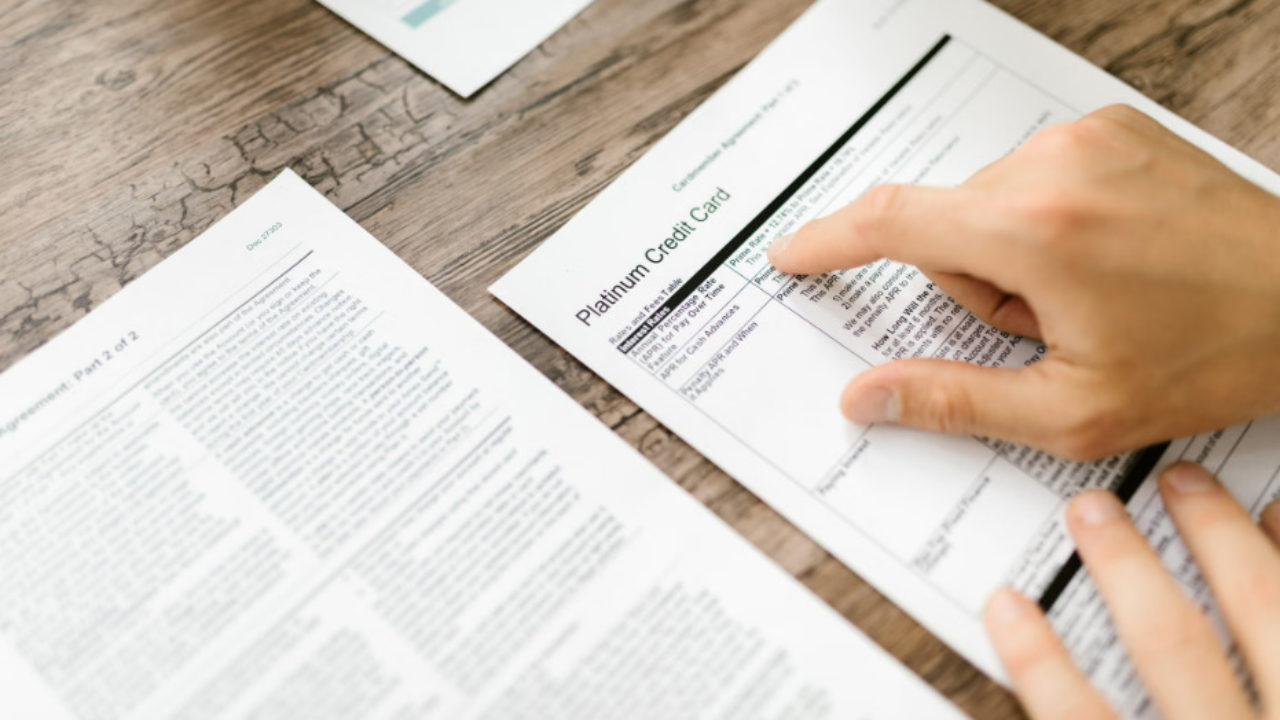
Pull your last three statements and scan every line that isn’t a purchase or deposit, much like cleaning up your digital clutter by checking how to clear your recently watched Disney viewing history. Circle anything labeled as a fee, charge, or service. Most people find at least one surprise. Some find several.
Ask for a Refund
It sounds too simple, but it works. Call your bank, stay polite, and ask them to reverse a recent fee. Banks often grant a courtesy refund, especially for long-time customers or first-time overdrafts. The worst answer you’ll get is no.
Set Alerts and Build a Buffer
Low-balance alerts through your bank’s app can warn you before an overdraft happens. Even a small cushion of $100 or $200 left untouched in checking can prevent the cascade of fees that follows one bad day.
Know When to Walk Away
If your bank won’t budge and the fees keep coming, leave. Free checking is far from rare. Bankrate reports that nearly half of noninterest checking accounts don’t carry a monthly maintenance fee. Switching takes an afternoon of updating direct deposits and automatic payments, just as easy as exploring modern cable TV alternatives to lower your monthly household bills. Paying fees you don’t need takes money every single month.
Conclusion
Bank fees thrive on inattention. They’re small, frequent, and easy to overlook, which is exactly why they add up to such a large yearly cost. Once you understand why they exist and which ones matter most, the path forward becomes clear: choose an account whose terms fit how you actually use your money, read the conditions before committing, and review your statements often enough to catch charges early.
Your checking account should hold your money, not quietly chip away at it. With a little attention, you can keep far more of what’s already yours.
Top 5 Free Data Recovery Software for Windows
Read Next